
WINTER 2025: careers in science policy
Science Policy and Other Diverse Career Paths
February 16, 2025
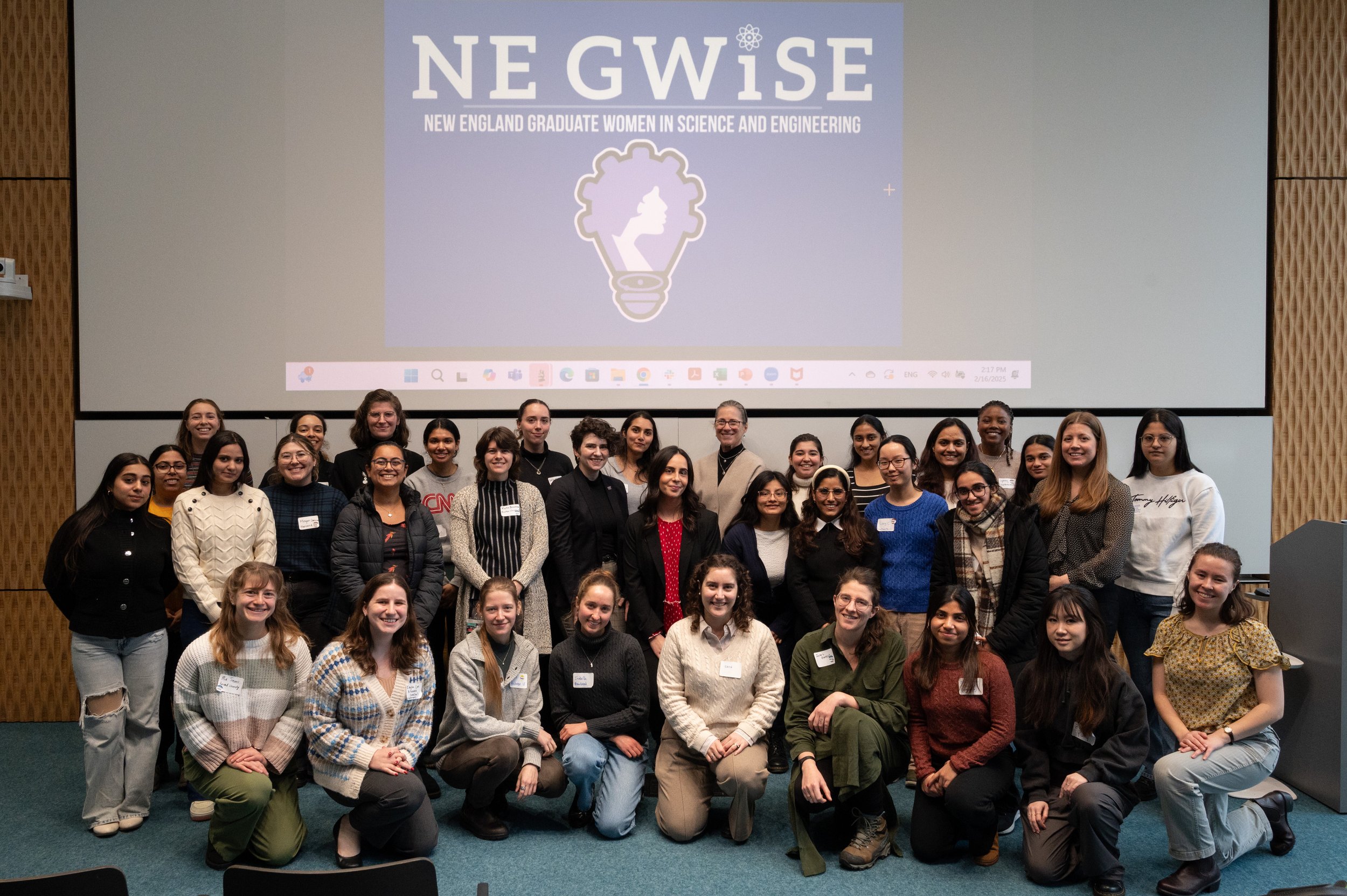
“As scientists, we understand how crucial it is to maintain an interplay between science and policy.” Galini, the Dartmouth College school representative as well as Recruitment Chair for NE GWISE, started the day by highlighting how science policy not only affects our ability to conduct research, but also our communities, and, ultimately, our world. This year’s retreat was a platform for learning, sharing, and envisioning paths that students interested in science policy can take.
The key note speaker was Dr. Melody Burkins, an Adjunct Professor of Environmental Studies at Dartmouth College. In January 2022, she was named the UArctic Chair in Science Diplomacy and Inclusion, a role where she has exemplified her dedication to advancing sustainability, inclusion, and gender equality—particularly in Arctic regions and beyond. Throughout her impressive career spanning over 30 years, Dr. Burkins has been a trailblazer in polar science, effectively bridging academia and governance. She is a passionate advocate for policy-engaged scholarship and experiential education, and understands that the connections between science and policy are essential in addressing pressing global challenges, such as climate change.
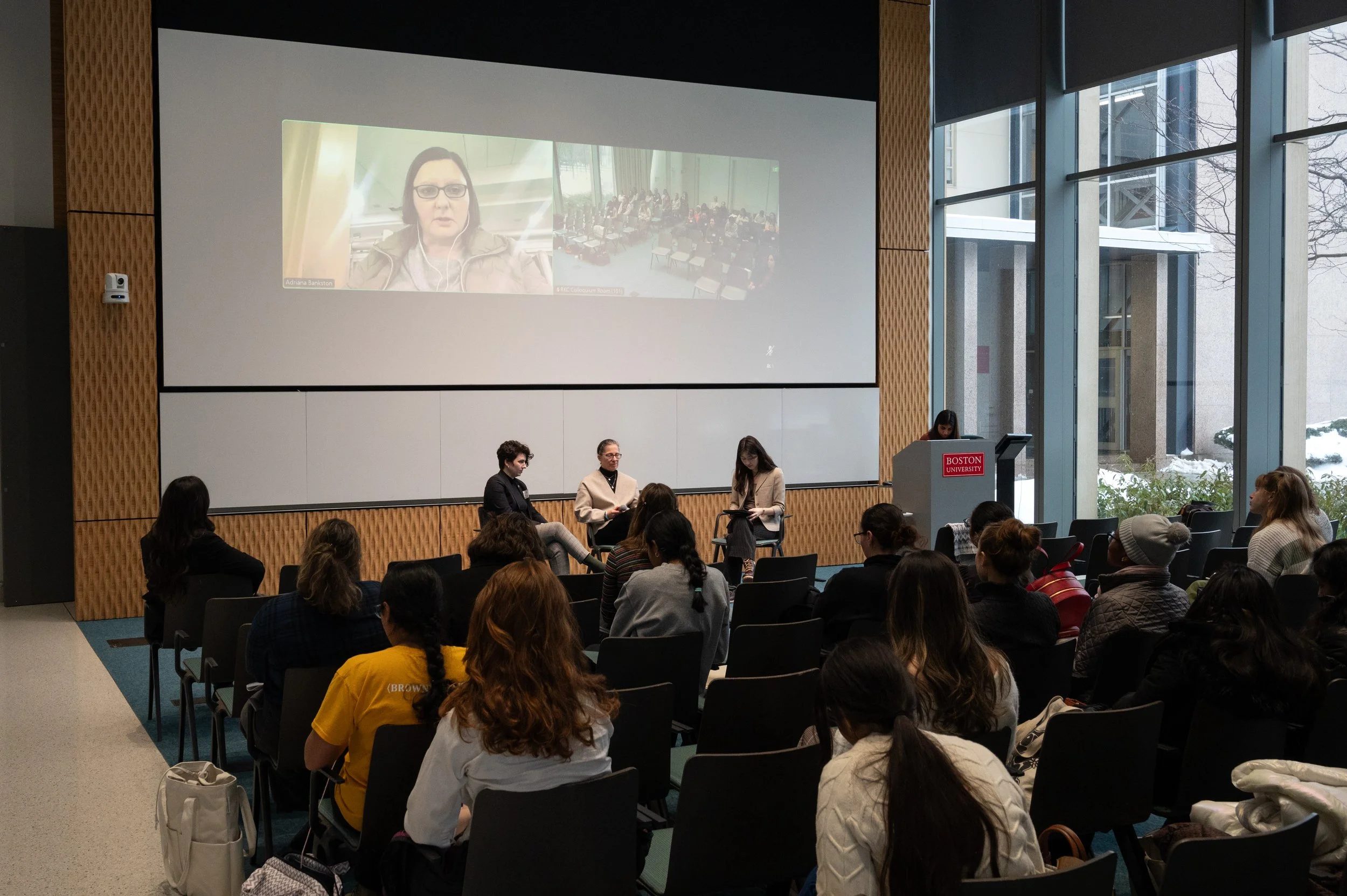
The next event was a panel with Dr. Hannah Frye and Dr. Adriana Bankston. Dr. Hannah Frye is a senior policy advisor at the MIT Washington Office, where she works with agencies such as the NIH, ARPA-H, and the FDA, focusing on health and biomedical research policy. Dr. Adriana Bankston zoomed in to speak with us even during her travels back to DC. For close to a decade, Dr. Bankston has held many policy roles with universities, non-profits, and scientific societies, and is currently the first-ever Congressional Policy Fellow in the US House of Representatives sponsored by the American Society of Gene & Cell Therapy as part of the AAAS Science & Technology Policy Fellowships Program.
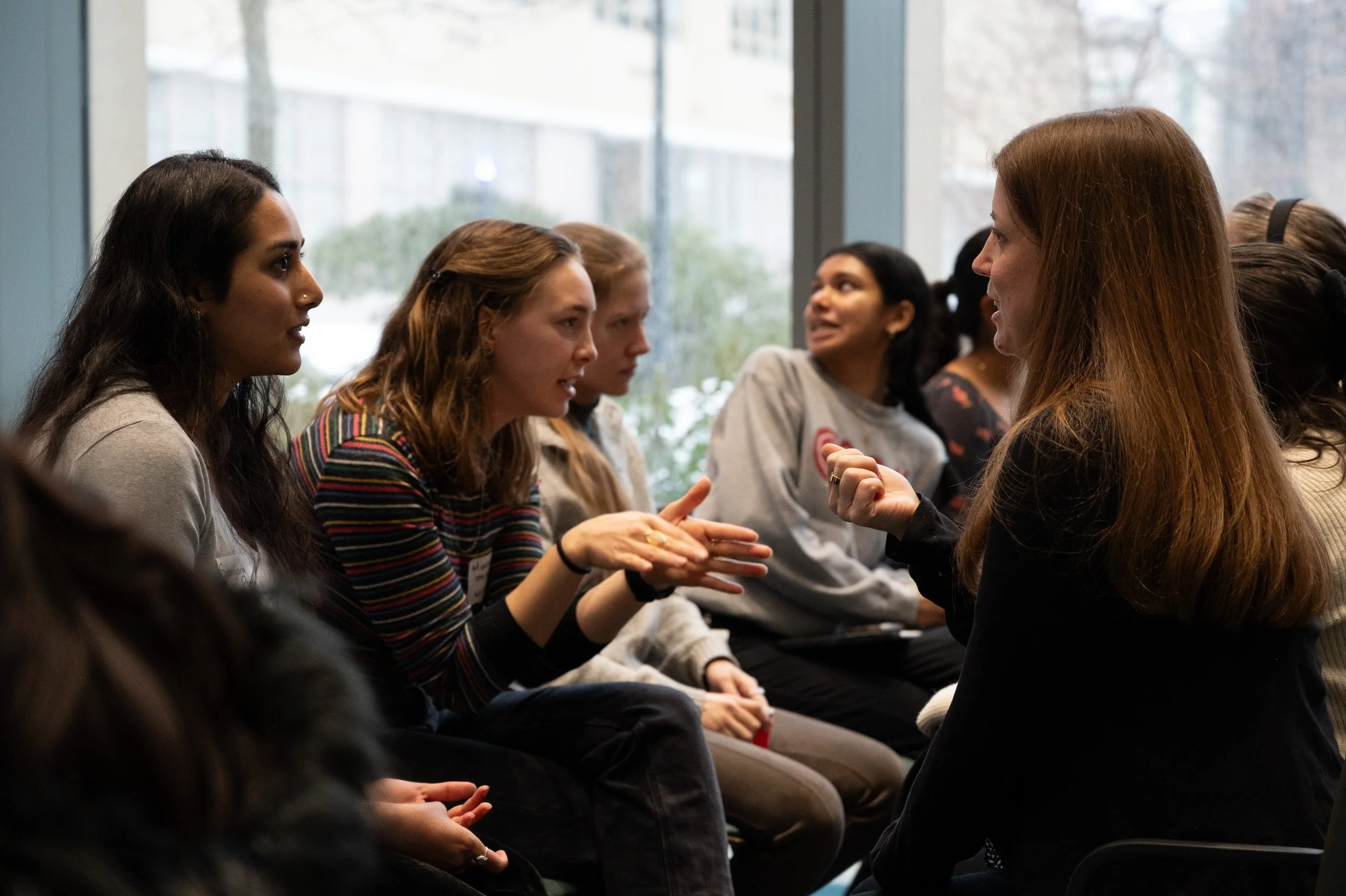
The panel was followed by a mixer and speed networking event. Every alternate row of chairs was flipped. Participatns, including the speakers and panelists, were paired to interact with the person sitting in front of them. Everyone had the opportunity to interact with three different people through three short sessions of seven minutes each.
While it was a snowy Sunday, the conference was lively and full of energetic discussions. We hope this retreat gave everyone some interesting perspectives on science policy and careers in the field.